It’s Wednesday, and you know what’s better than getting gifted gourmet chocolate on February 14? Getting discount convenience store chocolates on February 15! Tomorrow, sit down with your soon-to-expire treats for an in-depth conversation with The Line Studios’s co-founders to hear their recommendations for testing new retail creative. Join Retail Brew to learn how to create cohesive and compelling brand stories while keeping up to par with the competition. Register now.
In today’s edition:
—Alex Vuocolo, Katishi Maake, Erin Cabrey
|
|
Blue Planet Studio/Getty Images
In 2003, Nikki Baird was working as a consultant for Best Buy, and the electronics retailer was trying to figure out how to engage its customers at every possible touch point, from call centers and stores to just-then emerging e-commerce channels.
The company called this approach “customer centricity,” according to Baird, and in her opinion, it was an early version of a more newly minted buzzword among retailers: adaptive retail.
“Consumers change all the time, and they change at a speed that far outpaces retailers’ ability to keep up,” Baird, who is currently VP of strategy at Aptos Retail, told Retail Brew. “So that idea of being adaptive, I think, is a valid concept.”
Just last month at the Consumer Electronics Show, Walmart used the term to describe a companywide initiative to improve customer experience and integrate new technologies.
“While omnichannel retail has been around for decades, this new type of retail—adaptive retail—takes it a step further,” Suresh Kumar, global chief technology officer and chief development officer at Walmart, said in a news release. “It’s retail that is not only e-commerce or in-store, but a single, unified retail experience that seamlessly blends the best aspects of all channels.”
But Walmart’s use of “adaptive retail” is also to some degree idiosyncratic, in part because other popular terms, such as omnichannel and unified commerce, describe similar ideas.
Keep reading here.—AV
|
|
2024 is set to be another dynamic year in the evolution of e-commerce and digital marketing. Here’s just one example: $12b of political spending is expected to flood the advertising markets this year. Are you ready to adapt in this shifting landscape?
Read Wunderkind’s new guide on the 10 Trends eCommerce Brands Should Look Out For in 2024. Download your copy for all the deets on embracing change and driving growth in a difficult market.
Curious about the nitty-gritty? The guide offers golden nuggets on:
- cementing zero- and first-party data strategies
- navigating increased costs and decreased customer engagement
- reshaping your customer satisfaction with AI tools like virtual try-ons
Don’t get caught in 2024’s whirlwind. Read Wunderkind’s guide.
|
|
Don Juan Moore/Getty Images
The Kansas City Chiefs and their fans got a win on quite literally one of the biggest stages in the world.
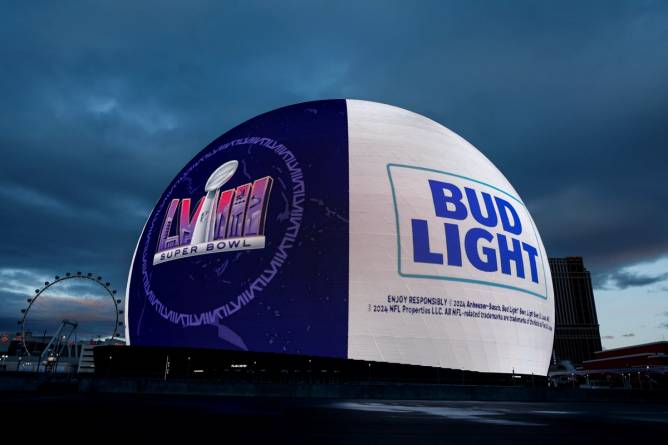
Sunday’s Super Bowl was one of the most-watched television events in history with a staggering 123.4 million viewers, outpacing last year’s record of 115.1 million according to Nielsen and Adobe Analytics. That figure was the maximum number of people watching at one time. It’s estimated that there were more than 202 million watching throughout the telecast, a 10% bump from last year’s Super Bowl at 184 million.
Temu specifically swung for the fences after making its Super Bowl debut last year, and between January 2022 and November 2023 has increased its advertising budget 1,000%, according to Mediaradar.
Keep reading here.—KM
|
|
Michael Osborne
On Wednesdays, we wear pink spotlight Retail Brew’s readers. Want to be featured in an upcoming edition? Click here to introduce yourself.
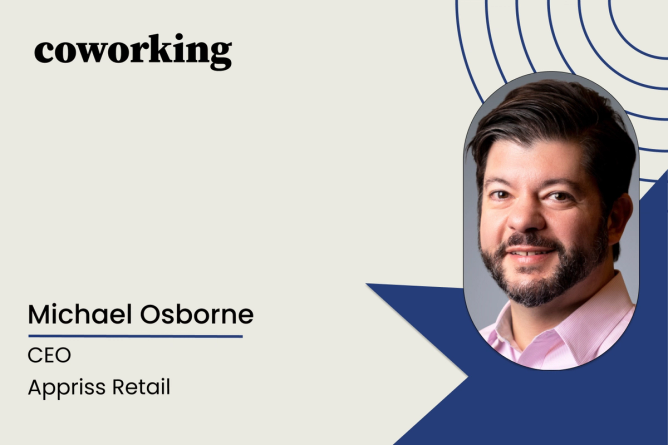
Michael Osborne is CEO of Appriss Retail, which uses AI and machine learning to help retailers and brands like Best Buy, Louis Vuitton, and Nike to minimize loss and fraud and boost profitability.
How would you describe your job to someone who doesn’t work in retail? I help retailers keep more money by reducing theft and losses in a number of different ways, while making sure people aren’t using returns to steal from them. I also work to create a smoother and happier shopping experience for all customers.
One thing we can’t guess about your job from your LinkedIn profile? I have lived in Austin since 1998, keeping it weird before it was cool. I even remember when the tallest building downtown was the Capitol. A lot has changed since then!
What’s your favorite project you’ve worked on? During my time at Bazaarvoice, I really enjoyed leading the expansion into the UK. It required a lot of time and dedication—immersing myself in research, connecting with new people, and grasping the culture and prospects. It was my first time launching an international project, and it was a lot of fun!
Which emerging retail trend are you most excited about right now, and why? I’m really looking forward to the role data can play in the industry. It’s surprising how many retailers aren’t fully leveraging the immense amount of data they capture daily.
Keep reading here.—EC
|
|
Today’s top retail reads.
Sweet and sour: Consumers purchasing Valentine’s Day-themed versions of their favorite sweets, from Sour Patch Kids to Jolly Ranchers, may find the products are priced at a premium compared to their non-seasonal counterparts. (CNN)
Creative license: As L’Oréal’s luxury division has surpassed The Estée Lauder Companies to become the world’s largest prestige beauty player, L’Oréal Luxe’s president Cyril Chapuy shares the role beauty and fragrance licensing deals with luxury brands has played in its success. (Business of Fashion)
Carting away: Instacart announced it’s cutting 250 jobs, the latest move for the grocery delivery company to establish a higher margin business focused more on advertising. (Bloomberg)
What’s next: 2024 will be another whirlwind when it comes to e-commerce. Fortunately, Wunderkind’s new guide has the scoop on the trends set to shape the year. Give it a read.* *A message from our sponsor.
|
|
|
Share Retail Brew with your coworkers, acquire free Brew swag, and then make new friends as a result of your fresh Brew swag.
We’re saying we’ll give you free stuff and more friends if you share a link. One link.
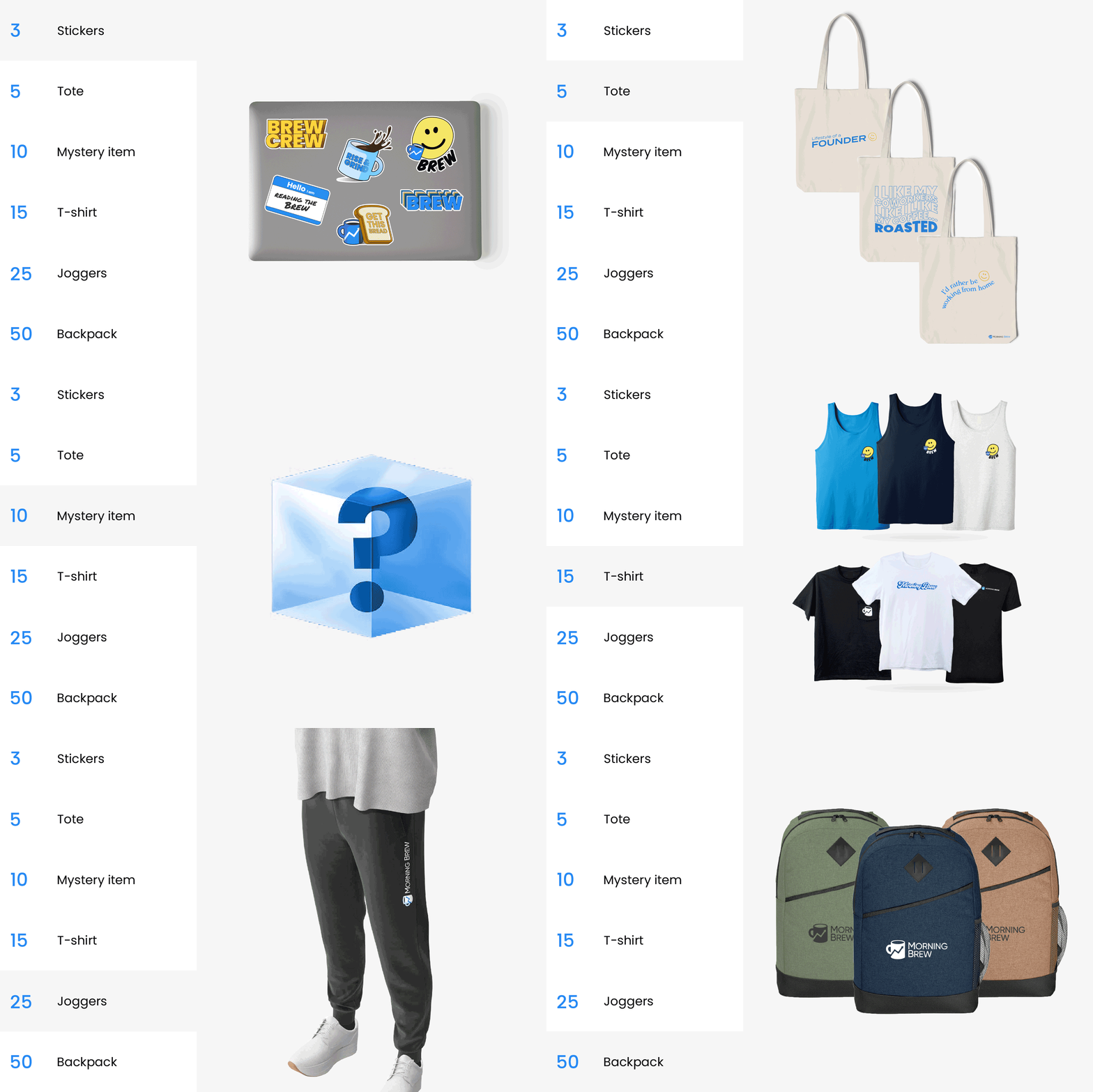
Your referral count: 2
Click to ShareOr copy & paste your referral link to others:
retailbrew.com/r/?kid=9ec4d467
|
|
ADVERTISE
//
CAREERS
//
SHOP
//
FAQ
Update your email preferences or unsubscribe
here.
View our privacy policy
here.
Copyright ©
2024
Morning Brew. All rights reserved.
22 W 19th St, 4th Floor, New York, NY 10011
|
|