Is New York Fashion Week Worth the Effort? It Depends on the Designer
NYFW has evolved into an offline and online spectacle, but its long-term health is in doubt.
Francis Scialabba
NYFW has evolved into an offline and online spectacle, but its long-term health is in doubt.
Francis Scialabba
In 1993, the Council of Fashion Designers of America's (CFDA) first modern New York Fashion Week was intended to showcase the biggest trends in the industry for department store buyers and fashion editors. Since then, NYFW has evolved into an offline and online spectacle where runway productions ring up CVS-length receipts—but its long-term health is in doubt.
NYFW’s value has been undermined over the years by...
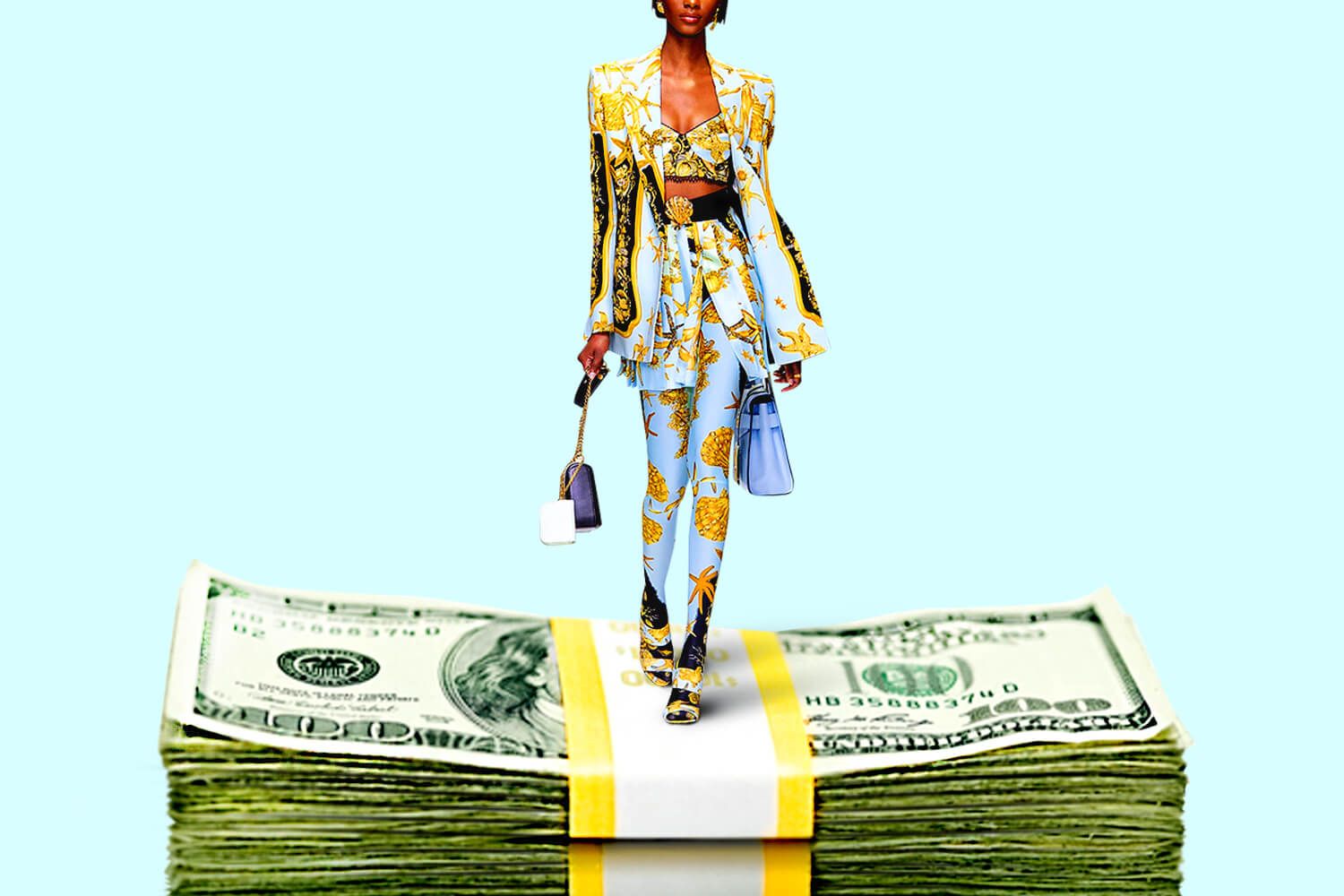
Designer Tanya Taylor says that participating sets her company back at least $100,000 per season. “I’ve tried everything to try to get under that number,” she tells me, “but that’s our gauge of what we need to...put forward a quality effort that speaks to how much we care about the brand.”
“When our investors go through the numbers, it’s really hard for them to see actual return,” Siriano said earlier this year.
The payoffs are more immediate for designers who follow the see-now, buy-now model. Within days, they’ll know if their pieces have resonated with consumers. “We like to make sure we’re not just doing this for an ego boost—it’s actually leading to tangible results and sales,” Rebecca Minkoff, a womenswear designer presenting at NYFW this season, tells me.
Customers’ wallets are more attracted to practical items than the capital-F fashion seen on high-end runways. Tanya Taylor agrees that the show is worthwhile if customers buy the items from her runway six months later. “I think a lot of brands have a tendency to show runway looks that look so different from commercial looks, and that’s really not what I want my brand to be built on,” she says.
Some say direct sales are secondary to building brand affinity with customers online. It doesn’t matter if the clothes sell—customers just need to see the garments and learn the designer’s name.
Enter: excess. When showing collections, designers try to engineer Twitter moments with guerilla celebrity castings (Alexander Wang, prior to its NYFW departure), or dresses that double as memes (Viktor&Rolf). Most often, it’s a set, a stunt, or a combination of the two. In one memorable example, Calvin Klein buried its entire runway in popcorn. (Calvin Klein shuttered its runway division in March because it was too costly to maintain.)
According to a Launchmetrics study, Ralph Lauren’s 50th anniversary campaign during last September's fashion month generated $38 million in media impact value (MIV), a measure of the value of impressions an event amasses on social media.
Exposure increased even more when famous faces lined the front row. Celebrities with brand partnerships are paid undisclosed amounts to post from the shows they attend. Launchmetrics reports that Nicki Minaj had the highest MIV of NYFW’s spring and fall 2019 runways, generating $8.9 million. Good to know we’ll still have her outfits if she retires from music for good.
Exclusion from the CFDA hasn’t stopped mass retailers from hosting NYFW Lite, where the runway looks a little bit more like your average Sunday mall run.
Consumer goods brands have even engineered Instagram-bait NYFW activations. Exhibit A: the inaugural “Flamin’ Haute” fashion week experience hosted by Cheetos on Thursday. (All press is gouda press.)
The big takeaway: Despite all the baggage NYFW carries and the costs of getting on the schedule, companies find its benefits gloss over its pitfalls. If success can be counted in views and likes, new customers are one carefully calibrated post away.