• less than 3 min read
Rothy’s Commits to Reaching Circular Production by 2023
“Rothy’s has been building a circular model without using that vocabulary since day one,” said Saskia van Gendt, head of sustainability.
Rothy's
“Rothy’s has been building a circular model without using that vocabulary since day one,” said Saskia van Gendt, head of sustainability.
Rothy's
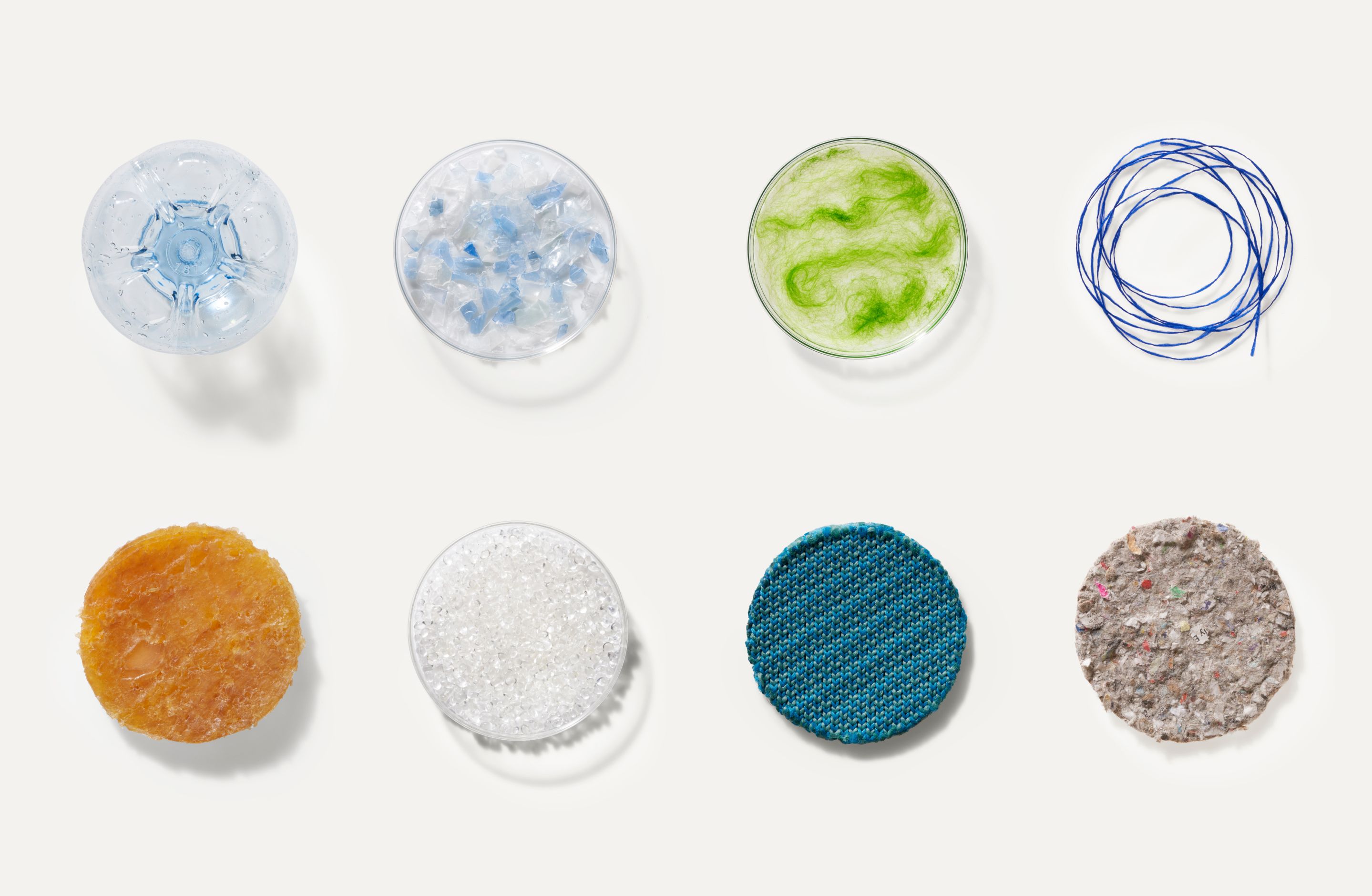
Rothy’s sold legions of fans on shoes made from recycled water bottles. Soon, it’ll ask them to hand back their used shoes to make new shoes, as part of a pledge to reach circular production by 2023.
In theory…“The most perfect execution of circularity would be that there were no new material inputs into [our production cycle],” Saskia van Gendt, Rothy’s head of sustainability, told Retail Brew.
In reality…"We know that it doesn't exist today,” van Gendt added.
So to hit its goal, Rothy’s will spend 2021 in R&D mode, building reuptake solutions for its products.
In business...Rothy’s remained profitable in 2020 and acquired 450,000 new customers—despite slashing marketing spend by 60%, per Footwear News. While going full circle comes with upfront costs, van Gendt told us it could “potentially be more profitable because we’re using the same materials multiple times.”
As for other brands...Circular production isn’t trending among retailers like carbon offsets. That’s because there hasn’t been regulatory or consumer pressure, van Gendt said.