Boutique Fitness Brands’ Pandemic Workarounds Threatened by Seasons
Outdoor classes need a temperature check.
Francis Scialabba
Outdoor classes need a temperature check.
Francis Scialabba
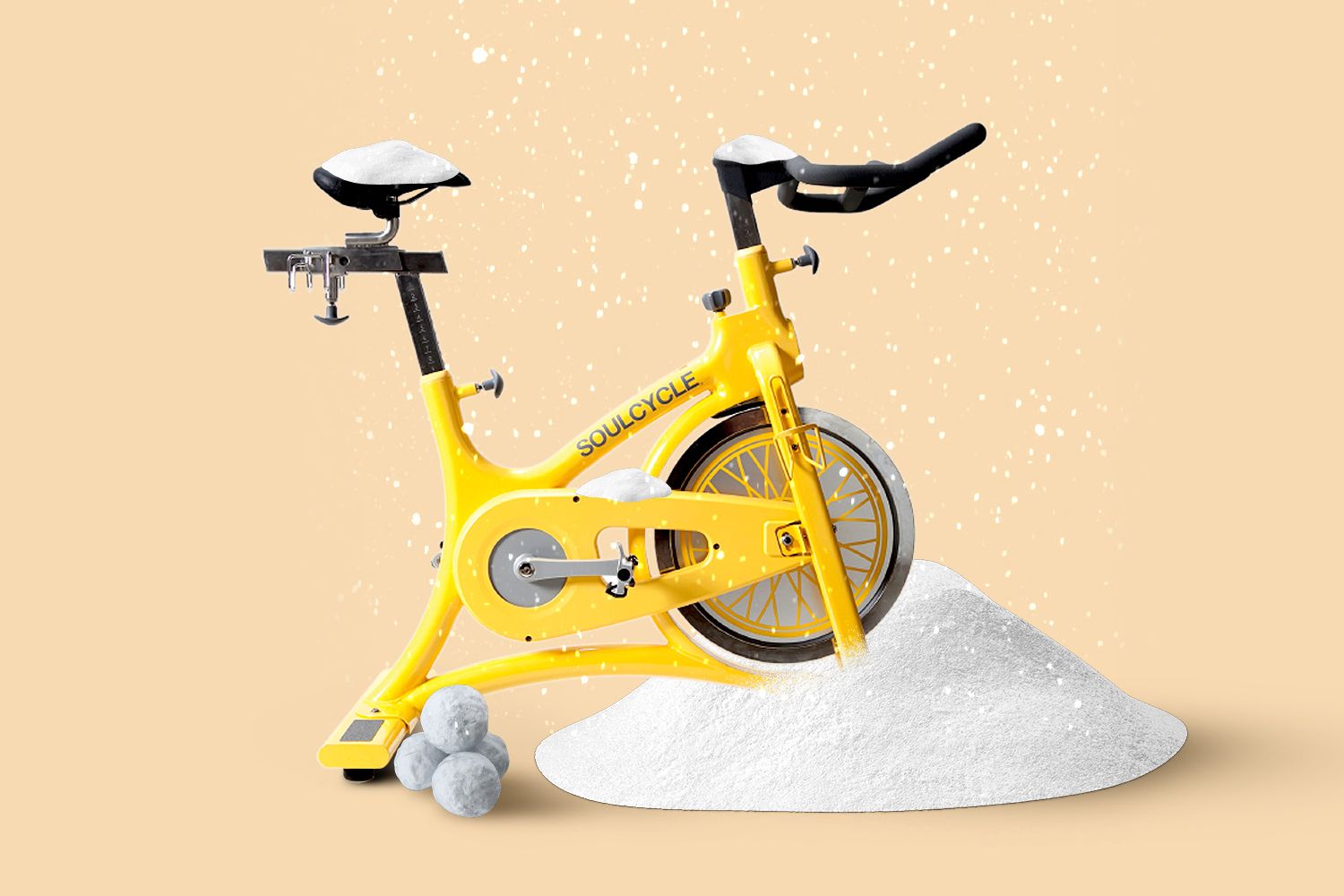
Boutique fitness brands built entire cults communities with hypnotic in-person classes, whether spin, boxing, or disco goat yoga. Seven months into a pandemic, they’re trying to recreate their sweaty magic outdoors—but the leaves are turning.
The tap back story: Crowded fitness classes, just like beauty testing counters and dive bars, were shut down due to health concerns. So spin junkies turned to connected fitness apps and DTC equipment brands for their endorphin kick. A sample of the sales surge:
Connected fitness equipment brands like Peloton sell a bike and an experience, but brands that are best known for the latter still believe in group sweat. So as states reopened, they introduced limited capacity, entirely outdoor classes.
A sample: Barry’s is holding strength training classes under the sun in CA. 305 Fitness has taken its dance parties outdoors in select cities. Equinox+ opened its first entirely outdoor gym in NYC last week; SoulCycle has moved spin classes to parking lot tents outside some studios.
Results? “Client feedback on outdoor classes has been extremely positive,” said 305 Fitness COO Sam Karshenboym. “We started with 10 classes per week in July and have steadily grown to over 50 outdoor classes per week across NY, DC, and Boston with most classes waitlisted.”
Not so fast. Analysts I spoke with suggested outdoor classes are nothing more than an Instagrammable Band-Aid. To survive, boutique fitness brands need to develop alternative revenue streams. Preferably ones that shorten the commute from bed to bike.
“Mobile apps, digital equipment, or apparel could provide fitness experience brands a lifeline, but their ability to produce and distribute high quality live and on demand fitness programming will be what pulls them ashore,” said Kyle Rees, Director and Sector Lead at Gartner.
Still...a shakeout is imminent.“Those that haven’t already pivoted are way behind the game and may not catch up,” Caitlin O’Keefe, Partner in the Strategic Operations practice at Kearney, told Retail Brew.
My takeaway: We once thought the future of fitness was niche, in-person experiences. But that was before most consumers got acquainted with the convenience of at-home equipment and tech.