How Rails, a contemporary clothing brand, is banking on its custom fabrics and a global expansion strategy for success
The California-based retailer now has presence across 30 countries and is on track to expand its e-comm biz globally.
Rails
The California-based retailer now has presence across 30 countries and is on track to expand its e-comm biz globally.
Rails
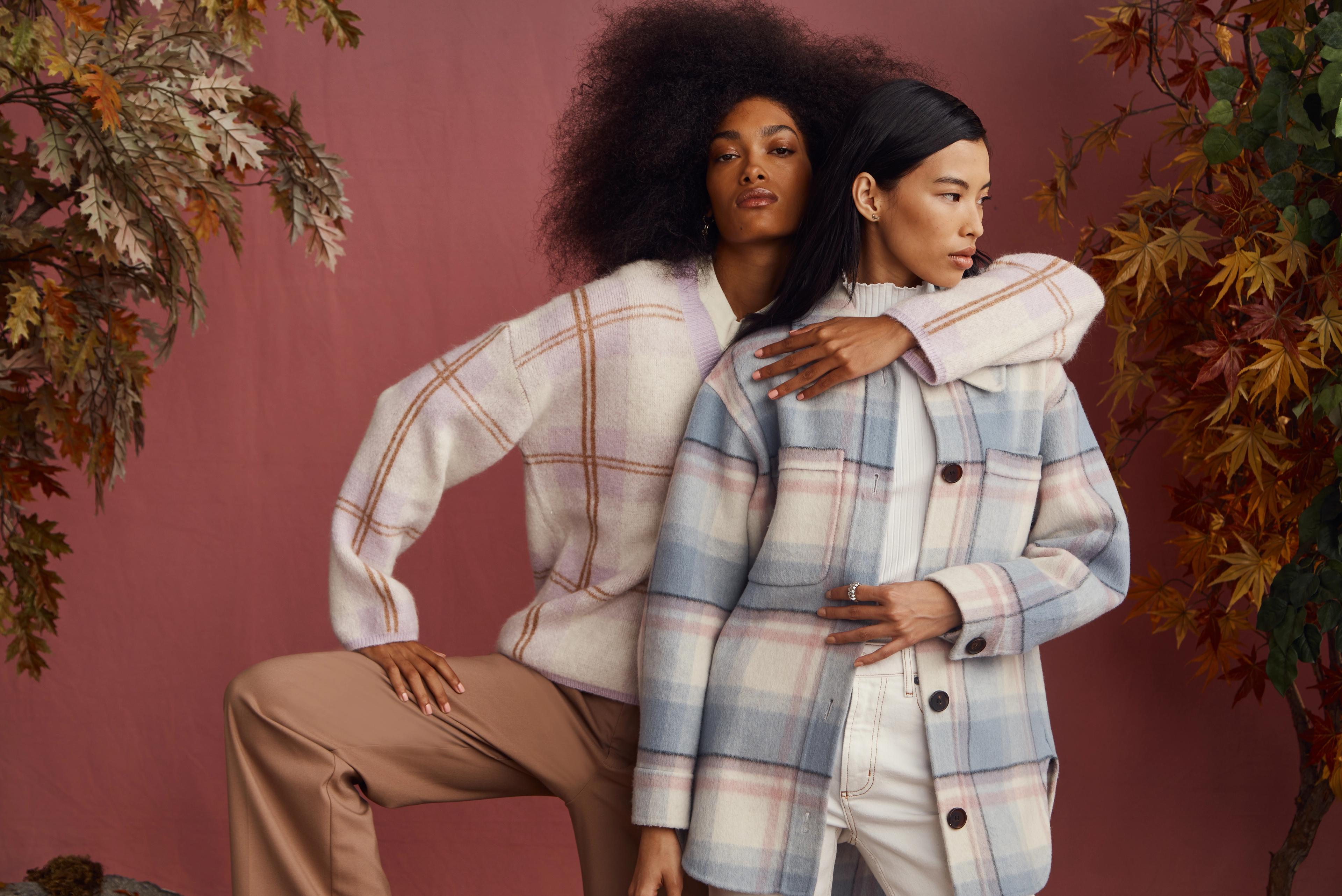
While traveling across Europe in the early aughts, LA native Jeff Abrams had a crafty idea: create a clothing brand that fused the effortless, casual style of Southern California with European design sensibilities. But with no background in fashion, it took the entrepreneur a couple of years to get the ball rolling. Fast forward to 2008, and Rails was born.
Abrams, now Rails’s CEO, told Forbes he initially invested $5,000 to kick off the biz, but today, Rails sells its clothes online and in other retailers across 30 countries. The brand offers everything from shirts and dresses, to knitwear and denim. Beyond California, Rails now has eight stores across the US, UK, France, and the Netherlands. But how did it all happen?
Abrams initially made a small run of shirts, hats, and hoodies (30–50 units at a time) and sold them to stores like Fred Segal. The arbitrage game in full effect.
“I would make a hat for $5, sell it to boutiques for $12, and they would retail it for $25,” he explained. “I would make shirts for $7, sell them to boutiques for $16, and they would retail them for $38.”
He added that not having a team or an office were also instrumental in not having a ton of overhead. “I was doing everything myself,” he said. “I was able to house inventory at my apartment that I was sharing with my roommate. My bedroom acted as my warehouse.”
Abrams incorporated the formula into the brand’s button-down shirts, which helped them get stocked on the shelves of Intermix, Shopbop, and Neiman Marcus, among other retailers. Sixteen years later, the custom fabric remains a core part of the brand’s DNA.
Per the company, the process could take up to two years between sourcing, research, and development, and then getting the completed products to the stores.
“Normally, we’ll start by working with our factories to come up with the yarns that are available. You really need to start at the fiber level; we don't buy a lot of ready-made fabric,” he said. “Then we’ll go through testing, we’ll get hand looms that are…less than an 8.5-by-11 [inch] piece of paper…We’d like to feel that we like the texture and the colors, and then we’ll also give them specific colorways to test.”
Although Abrams did not disclose the exact amount of investment that goes into the development, he said the process in and of itself is inexpensive (unless Rails is using a costly material.) But the real business challenge post-Covid has been the disruption in traveling that has often delayed the brand’s work with regional developers.
General fluctuations in the markets—including rising costs of raw materials, such as cotton or yarns—have also impacted the business alongside shipping costs, which forced the company to ship by air. Per Abrams, logistics costs for the business are up 15% within the production channel.
For the most part, the brand was able to absorb 60% of the increased cost of raw materials through “better logistics planning and slight retail increases.”
Abrams, while declining to give actual numbers, said the company has grown its DTC business, which accounts for about 35% of its current revenue (wholesale makes up the remaining 65%).
Women’s apparel makes up 80% of its business, and the company’s new appeal to men is growing, Abrams intimated. The men’s category—which was introduced over two years ago—is pushing to be 40% of the business in the coming years as it piggybacks off the success of the women’s line.
“We’ve had brand introductions through our wholesale network, including a range of boutiques alongside department stores like Nordstrom, Neiman Marcus, Saks Fifth Avenue, and Bloomingdales,” Abrams said, adding that he plans on supporting distributing with a variety of “performance marketing strategies, in-home catalogs, and brand collaborations with key tastemakers.”—all of which remains TBD as of now.
Abrams is also planning on accelerating other retail channels. “We are also building our e-commerce platform, we started opening our own stores and [are] just letting customers experience the broad world of Rails,” Abrams said.
For the online biz, Rails has rolled out international versions of its website where “global customers can shop as a local experience, including purchasing in their local currency,” he said.
“We do very limited discounting and try to drive full-price business to continue building the strength of our brand,” he said, adding that Rails is “much more than just a shirt collection.”