What we know about Alibaba's 11.11 sales bonanza so far
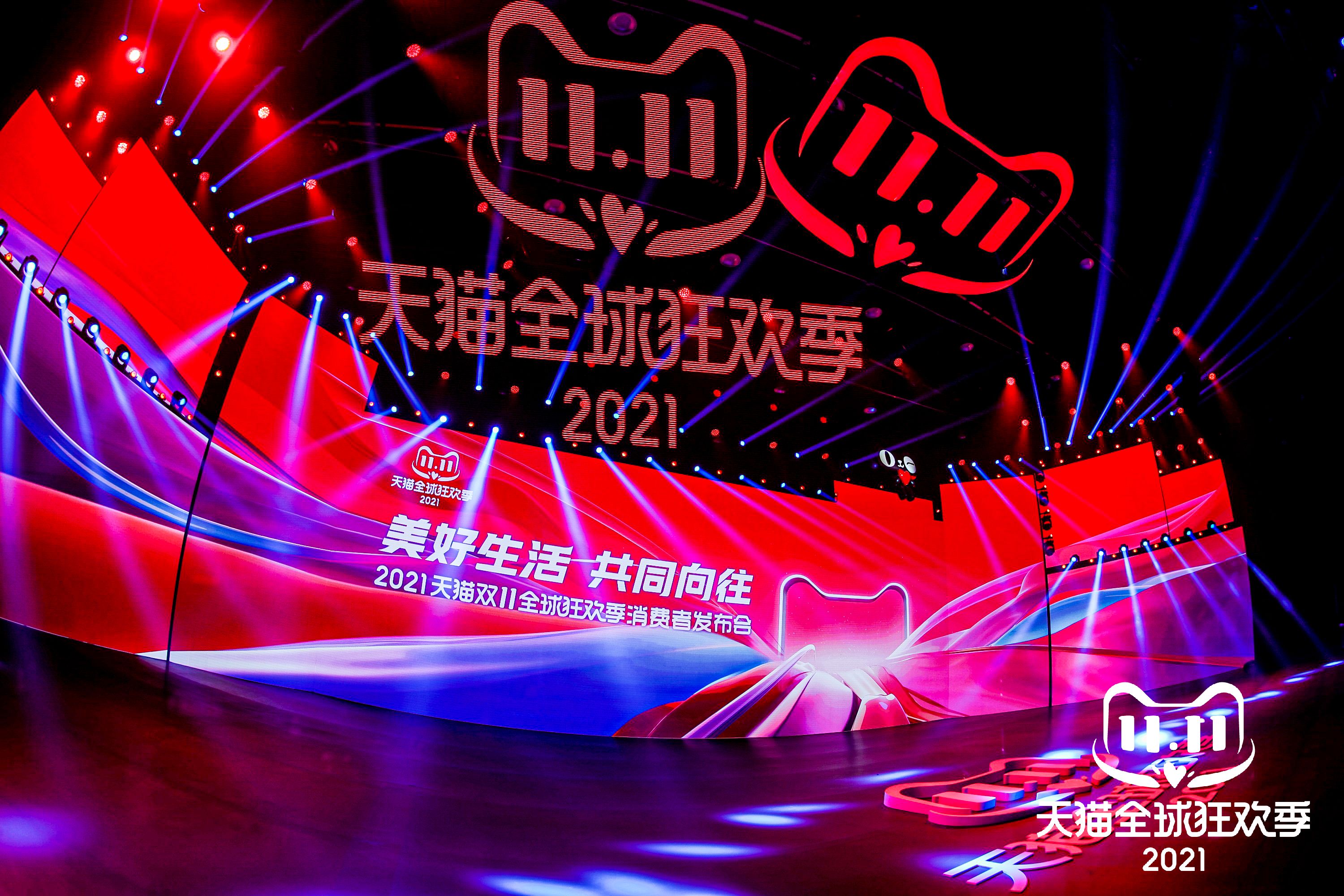
This year, with 290,000 brands—a new record—taking part, Tmall predicts about 14+ million deals will be up for grabs for 900 million Chinese consumers.
Alibaba
This year, with 290,000 brands—a new record—taking part, Tmall predicts about 14+ million deals will be up for grabs for 900 million Chinese consumers.
Alibaba
Hold off on Black Friday for a minute, because 11.11 is coming in hot.
By the numbers: In 2020, the event generated about $74.1 billion in gross merchandise volume for Alibaba from November 1 to 11.
This year, with 290,000 brands—a new record—taking part, Tmall predicts 14+ million deals will be up for grabs for 900 million Chinese consumers. And like in 2020, Singles Day won’t be relegated to just one day, with Alibaba kicking off its official sales bonanza today.
What’s different? Tmall is emphasizing sustainability this year. It will feature a dedicated section for energy-efficient and low-impact products, as well as issuing $15+ million (100 million yuan) worth of “green” vouchers to incentivize shopping decisions. For example, consumers could get ~$15 (100 yuan) off after purchasing energy-efficient consumer electronics.
Plus, plus, plus: Alibaba’s logistics division Cainiao Network will roll out package recycling across 10,000 of its Post Stations in 20 cities in an effort to curb the festival’s carbon footprint.
In the moment: Expect livestreams to continue to be an important component for Singles Day. Alibaba’s online shopping platform Taobao Live already kicked off its sessions in October, and expects to feature 700 key opinion leaders, celebrities, and brand reps.
Josh Ghaim, CEO of US–based vegan skincare brand Nuria Beauty is participating in 11.11 for the second time. He said the brand has been live streaming “nonstop” for the last month in preparation.
This year’s event will also spotlight emerging brands more than ever before, with Alibaba and Tmall bringing back their pitch festival for US, UK, and Irish companies.
“The goal of [pitch fest] is identifying and incubating several of the small emerging brands and fast-tracking them to have them participate in 11:11, and really get a lot of eyeballs for them to build brand awareness,” Tony Shan, head of Tmall Global for the Americas, told Retail Brew. “We want to help US brands target and find growth in the China market.”
“Building momentum and scaling it into a blockbuster sales day stateside remains a persistent opportunity,” added Vivek Pandya, senior digital insights manager at Adobe.
Looking ahead: Still, despite its seemingly obvious value prop, awareness around Singles Day in the US remains limited compared to the likes of Black Friday, said Deborah Weinswig, CEO of Coresight Research. But health, beauty, and wellness have emerged as pivotal categories for the Chinese consumer, she said, noting the opportunity beyond luxury for brands.
“We’ve seen a full kind of breakthrough in terms of the interest in indie, clean-beauty brands,” Weinswig said. “With [independent brands], the consumer feels she is discovering something. She has a different relationship with them. There’s a real interest in small businesses. It’s like, ‘I’ve discovered it, I’m part of this like special people club thing.’”
That curiosity is vital amid a beauty market that is somewhat saturated.
“I personally think that’s actually what’s helping indie brands survive in a very competitive situation because Chinese consumers are constantly searching for new things,” Ghaim said. “When they find those indie brands, they’re bragging about it with their friends. They’re able to share a lot of really interesting things.”