Nearly 1 in 3 supermarket products have been shrinkflated over last four years
The category most likely to shrinkflate was paper products and breakfast items: LendingTree study.
Getty Images
• less than 3 min read
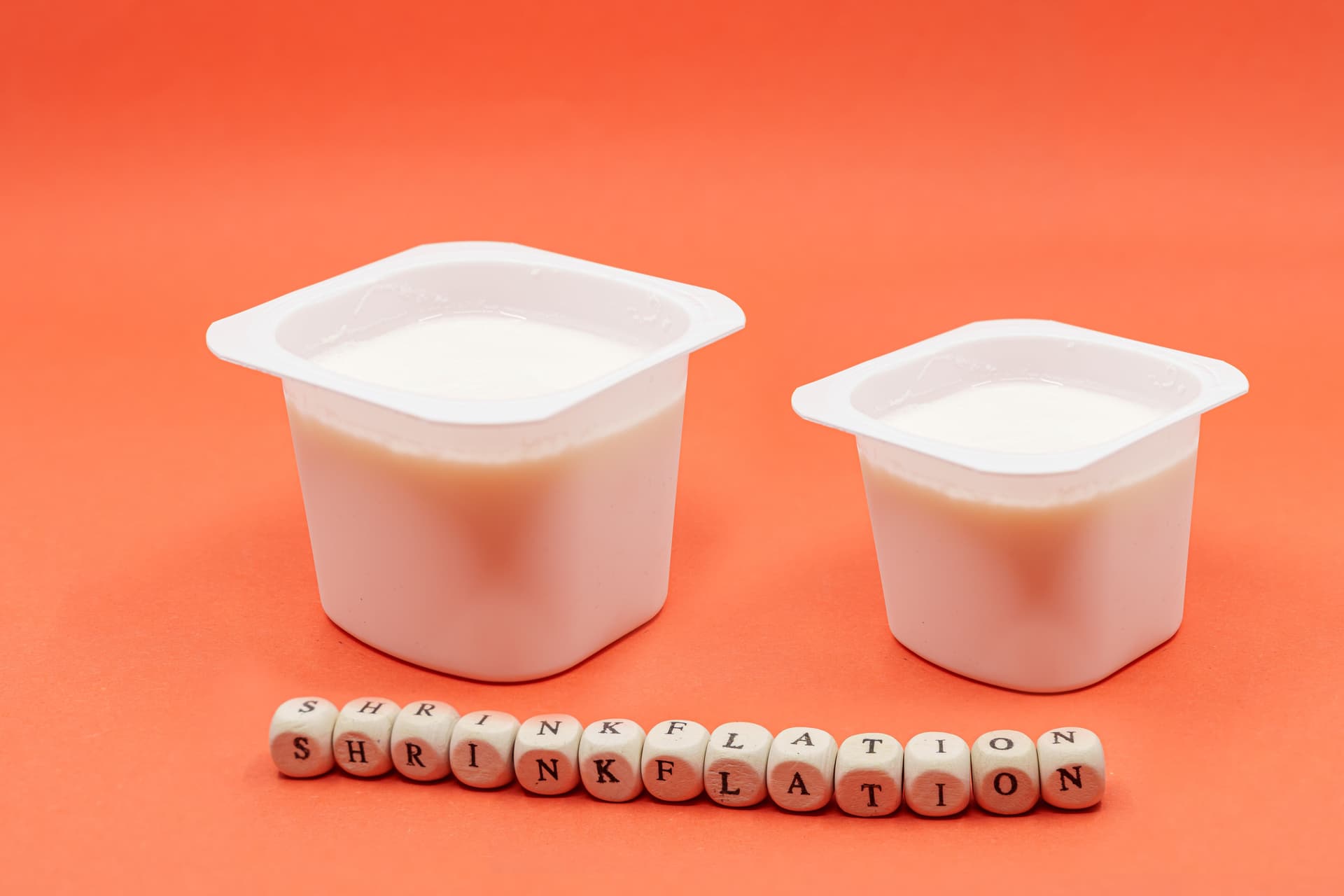
Shrinkflation—the tendency of brands to shrink products, often imperceptibly, without lowering the price—is something we first noted in 2022.
And while there have been many developments since—what with a French supermarket naming and shaming shrinkflated products with shelf signage, Germany drafting an anti-shrinkflation law, and President Biden releasing a video decrying the practice—we hadn’t encountered a comprehensive study of just how pervasive the practice was in the US.
Until now.
A LendingTree analysis of 98 supermarket products found that over the last four years, 30 of them (31%) had shrunk. Paper products (toilet paper and paper towels) were the most apt to shrink, with 12 of 20 (60%) shrinking since either 2019 or 2020. A 12-pack of Angel Soft mega rolls saw per-roll sheet count shrink from 429 to 320 sheets, a 25.4% decrease. While the cost of that 12-pack was lowered from $9.97 to $8.44 over the period, the study revealed that the price per 100 sheets increased from 19 cents to 22 cents, an increase of 13.5%.
Charmin Ultra Strong, meanwhile, shrinkflated and raised the price. A 24-pack of mega rolls saw each roll shrink from 286 to 242 sheets, a 15.4% decrease, while the cost rose from $23.82 to $26.48, a per-100 sheet increase of 31.4%.
The data was gathered using the Walmart website and the Wayback Machine, a nonprofit web archive.
Sweet and sour: More Americans are waking up to shrinkflation—literally. Among 16 breakfast cereals the study tracked, seven (43.8%) shrank over the period.
Something even more sweet than Frosted Flakes, candy, saw 5 of the 13 (38.5%) of the products downsized. Party-size packages of both Reese’s peanut butter cup miniatures and Rolos shrank from 40 ounces to 35.6 ounces, an 11% decrease.
In the case of Reese’s, after the package shrank, the price subsequently went up, from $8.98 to $13.24, meaning the price-per-ounce price went from 22 cents to 37 cents per ounce, a mind-boggling 68.2% increase.
“People are already frustrated that things cost more,” LendingTree chief credit analyst Matt Schulz said in a post on the company’s website. “Shrinkflation just adds insult to injury. It all adds up to a lot of Americans feeling squeezed every month to afford the basic things they can’t do without.”
Retail Brew delivers the latest retail industry news and insights surrounding marketing, DTC, and e-commerce to keep leaders and decision-makers up to date.
By subscribing, you accept our Terms & Privacy Policy.
About the author
Andrew Adam Newman
Andrew writes about brick and mortar stores with a focus on store design, retail marketing and brands, the resale industry, and more.
Retail Brew delivers the latest retail industry news and insights surrounding marketing, DTC, and e-commerce to keep leaders and decision-makers up to date.
By subscribing, you accept our Terms & Privacy Policy.